


How to Prepare for a Criminal Court Hearing: 2026 Guide
What to Expect: Criminal Court Hearing Procedure Explained
A criminal court hearing is a scheduled court proceeding where a judge addresses specific issues in a case, such as bail, pretrial motions, or a plea, without a full trial. Knowing how to prepare for a criminal court hearing starts with understanding that most hearings follow a predictable structure. This guide walks you through each stage, so nothing catches you off guard.
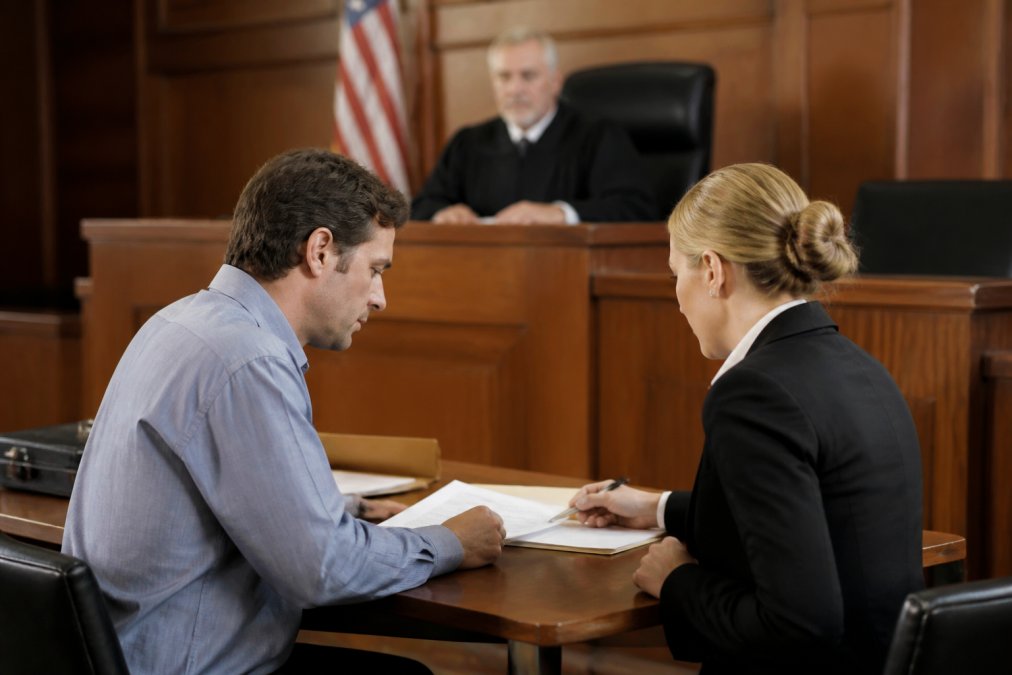
Here’s what most people get wrong: they think the hearing is the trial. It usually isn’t. Many hearings are short, procedural, and decided in minutes.
United States Courts courtroom procedures guide
From Arraignment to Trial: The Stages of a Hearing
The first stage is the arraignment, where the judge reads the charges and you enter a plea. Next comes the pretrial hearing, where your attorney argues motions and reviews discovery with the prosecution. A pretrial motions hearing can decide what evidence is allowed.
Then there’s the hearing date for specific issues, like a subpoena dispute or a sworn statement.
| Stage | What Happens | Who’s Present |
|---|---|---|
| Arraignment | Charges read, plea entered | Judge, clerk, attorneys |
| Pretrial hearing | Motions, discovery reviewed | Judge, both sides |
| Motion hearing | Evidence admissibility argued | Judge, attorneys |
| Trial | Case decided | Judge, jury, witnesses |
The People in the Room: Judge, Prosecutor, and Court Clerk
The judge runs the hearing and decides legal questions. The prosecution presents the state’s case. Your legal counsel speaks for you, and the court clerk manages paperwork and the docket. A court reporter records every word.
What to Wear to Court for a Criminal Case: Dress for Respect
What to wear to court for a criminal case is simple: dress like you respect the process. A judge forms an impression in seconds. Your clothes are part of your courtroom decorum.
- Solid, muted colors work best
- Keep jewelry minimal
- Neat, clean, and wrinkle-free beats expensive
- Cover tattoos and remove visible piercings if you can
Bring a change of clothes in your car if you’re unsure. It’s easier to dress up than to wish you had.
How to Talk to a Judge in Criminal Court: Decorum and Communication
How to talk to a judge in criminal court comes down to one rule: be brief, be polite, and answer only what’s asked. Call the judge “Your Honor.” Stand when you speak. Never interrupt.
Addressing the Judge and Answering Questions
Speak clearly and slowly. If you don’t understand a question, say so. “I don’t understand” is fine. Guessing is not.
What Not to Say in a Court Hearing
Don’t argue, don’t explain, and don’t volunteer information. Avoid saying “I think” or “maybe.” Stick to facts. Never speak for your attorney or answer a question meant for them.
Saying too much can hurt your case. Offhand comments can be used against you and may lead to contempt of court.
American Bar Association legal resources
Organizing Evidence and Documents for Your Criminal Court Hearing
Organizing evidence before your court appearance keeps you calm and credible, and it is the one part of hearing prep you can fully control. A single labeled binder with tabbed dividers can help you organize your documents, allowing you to hand the judge or clerk exactly what is requested without shuffling.
Build the binder in this order:
- Court papers: the charging document, notices, scheduling orders, and any motions or briefs already filed
- Exhibits: photos, records, receipts, and any physical items you intend to reference
- Affidavit or sworn statement copies
- A one-page written timeline of events, with dates and times
Managing Digital Evidence and Exhibits
Digital evidence can be complex to manage in self-prepared cases. Texts, emails, call logs, social media posts, and photos are all potentially admissible, but only if you can show they are what you claim and have not been altered. Courts generally expect the following:
- Preserve the original. Do not delete the thread, the voicemail, or the post. Screenshots alone are often challenged because they can be cropped or edited.
- Capture metadata. For texts and emails, note the sender, recipient, date, and time exactly as displayed. For photos, the file’s creation date and device information matter.
- Export in a usable format. Common formats are PDF for documents, JPG or PNG for images, and native exports (for example, a full text-thread export) where the platform allows it.
- Maintain a chain of custody. Write down who had the device or account, when, and how the file was transferred. A simple log with dates and initials is enough to start.
- Bring backups. Save everything to a cloud folder and a USB drive, and print key screenshots as a fallback if courthouse electronics rules restrict devices.
If a text or post is central to your case, ask your attorney whether it needs to be preserved through a formal litigation hold or a subpoena to the platform. Deleting it, even innocently, can look like spoliation.
Federal Rules of Evidence, Article IX (Authentication)
Mental and Emotional Preparation for Your Court Appearance
The stress of a criminal court hearing can impact your focus. Prepare your mind the same way you prepare your paperwork.
- Get a full night’s sleep
- Eat a light meal beforehand
- Arrive early to settle your nerves
- Bring a supportive friend or family member
Emotional control is a skill. The calmer you are, the clearer you can think and present.
Security, Prohibited Items, and What to Bring on Your Hearing Date
Court security works like airport screening. Expect a metal detector and a bag search. Leave these at home:
- Weapons of any kind
- Sharp objects, including pocket knives
- Food and drinks
- Cameras and recording devices
- Large bags
U.S. Marshals Service court security information
After the Hearing: Post-Hearing Expectations and Next Steps
The steps you take in the first 24 to 72 hours after a hearing can be crucial for the next phase of your case.
What the Judge Actually Decided
Hearings usually end in one of four ways:
- A ruling from the bench. The judge states the decision in open court. Ask your attorney to repeat it in plain terms before you leave the building.
- A written order to follow. The judge takes the matter under advisement and issues a written decision later, often within days or weeks. You will not know the outcome until that order is filed.
- A continuance. The hearing is pushed to a new date. Get the new date in writing.
- A scheduling order. The judge sets deadlines for motions, discovery, or a future hearing.
Getting the Paperwork Right
A verbal ruling is not the same as a filed order. Within a day or two:
- Request a copy of any written order from the court clerk. Many courts post orders to an online docket you can check yourself.
- Confirm the next docket date and put it on a calendar with a reminder one week out.
- Read any conditions the judge imposed, travel restrictions, no-contact provisions, curfew, reporting requirements, and note the exact compliance deadline for each.
- Keep every court paper in the same binder you brought to the hearing. Do not discard anything.
Missing a compliance deadline or a required appearance can trigger a bench warrant, additional charges, or revocation of release, even if the underlying case is weak. Calendar every date the moment you learn it.
Between Now and the Next Date
What happens next depends on the posture of the case:
- If a plea was entered or accepted, sentencing may be set for a later date, often with a presentence investigation in between.
- If motions were argued, the ruling may open or close the door to specific evidence, which reshapes your defense strategy.
- If the case is heading to trial, expect a pretrial conference, jury selection, and additional motion deadlines.
- If the case was dismissed, confirm whether it was dismissed with or without prejudice, the difference determines whether charges can be refiled.
Questions to Ask Your Attorney Before You Leave
- What exactly did the judge decide today?
- What is the next date, and what happens at that appearance?
- Are there any conditions I must follow starting now?
- What do you need from me before the next date?
- What is the realistic range of outcomes from here?
The hearing is one step in a longer process. Treat the hours after it as part of your preparation, not the end of it.
If you are facing a serious charge, do not wait for the next date to find representation. The right legal counsel can significantly influence the outcome.
Frequently Asked Questions
What not to say in a court hearing?
Avoid guessing, arguing, or volunteering information. If you don’t know an answer, say so plainly. Don’t speak directly to the prosecutor or witnesses. Never say ‘I think’ or ‘maybe’ when answering the judge. Keep answers short and truthful. Your criminal defense attorney can guide you on specific phrasing for your case.
What should you bring to a criminal court hearing?
Bring your court papers, a valid ID, and any documents your lawyer asked you to provide. Leave phones, weapons, and prohibited items at home or in your car. If you have digital evidence, bring it on a USB drive or as instructed. Arrive early and dress appropriately. A court clerk can confirm what’s allowed in your specific courthouse.
Does professional attire impact court proceedings?
Yes. Judges and juries notice how you present yourself. Dressing respectfully shows you take the hearing seriously. For a criminal case, wear clean, modest clothing in muted colors. Avoid hats, sunglasses, and flashy jewelry. This small effort can positively influence how you’re perceived during your court appearance.
How can you tell if a criminal case is strong?
A strong case usually has solid evidence, credible witnesses, and no procedural errors. The prosecution must prove guilt beyond a reasonable doubt. If evidence is weak or improperly obtained, the defense may file pretrial motions to exclude it. An experienced lawyer can assess the strength of your case after reviewing discovery and police reports.